The CD Single, Maxi Single, and EP
CD singles - they never quite captured the imagination the way the full studio albums did. But they remain of interest partly because they often contain different mixes, longer versions, radio edits, and live performances of some of the best loved songs of the era. They can include bonus tracks not available on an album, and may have distinct artwork designed specifically for the single. Importantly many times these versions are not available from streaming services and they therefore can be a valuable addition to your collection. This article will focus on the US market.
For simplicity, I will use the term "CD single" to refer to CD singles, maxi singles, and EPs, unless otherwise noted.
Before the CD single
In the early days of recorded music most releases were what we would now consider a single. Cylinders and 78s only had room for one or two songs on a disc. Sometimes "albums" of multiple 78s were sold together which is where the term record album originated. The invention of the long playing album, and nearly concurrent development of the "45" resulted in a market split into two main formats, the 12 inch (30 cm) 33 1/3 RPM LP containing about 14 songs, and the 7 inch (18 cm) 45 RPM single containing two songs. The 45 allowed fans to get just the specific hit they wanted, and at a lower price than the LP.
As the music industry developed, artists began recording album oriented material, where the entire album was a statement. However both formats coexisted, even thrived, simultaneously.
Later, in the 1970s the 12" single became popular, especially for use by DJs at dance events. A 12 inch single, playing at 45 RPM, will hold perhaps 10 minutes of music on each side. Enough for a long extended dance mix,
The cassette single, called the "cassingle" was also a popular way to distribute songs, usually two tracks, an A and B side similar to the 45 single. Sometimes the music was released as a cassette maxi single which contained additional versions of the song.
What are CD singles
There is no formal definition but the general consensus is that a CD single is essentially a CD version of a 45 single. Usually two tracks. A CD maxi single has additional tracks, usually several versions of the main title song, such as a dance mix, a radio edit, and so on. It may also contain bonus tracks. An EP (extended play) contains several different songs, up to about 7 tracks, (not remixes of the same song), but not enough material to be a full album.
| Format | Typical contents |
|---|---|
| CD single | 2 songs - main track plus a "B" side |
| CD Maxi single | Main song, several remixes, may contain other tracks |
| EP | Several songs, not enough for a full album |

It appears the original intent was to use the mini CD, which is about 3 inch (8 cm) diameter version of the standard CD with a music capacity of about 20 minutes, for the CD single. Compare this to the standard CD which is about 5 inch (12 cm) diameter and has a capacity of about 75 minutes. The mini CD format never caught on in the US, perhaps partly because some CD players required an adaptor to play them. Mini CDs are quite uncommon to find in the US market.
This article will therefore focus on the 12 cm diameter format.
CD singles are less common than albums
CD singles were introduced into the market later than albums, and faded sooner, peaking in the early to mid 1990s. As a result the total number of CD singles pressed is much lower than album CDs, likely about 1-3% of total numbers produced over the life of the format (this is an estimate based on surviving examples since official numbers are not published). Individual releases could have quite high production quantities if they were popular. Unlike albums, CD singles are rarely repressed or remastered outside of the original time of their release.
Packaging
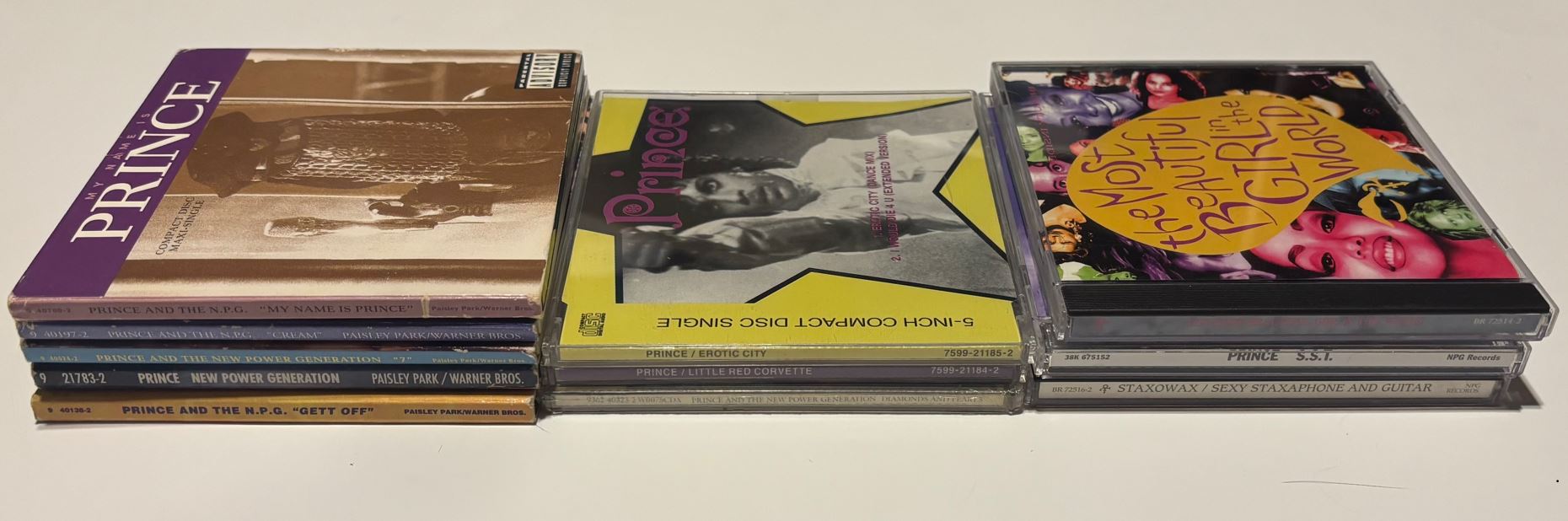
Packaging is usually more austere than for a full album. There are two common CD packaging styles, thinline jewel case, and cardboard digipak. But other packaging formats exist as well. Typically the artwork consists of a single printed page (no tray card) or the printed digipak. Booklets are almost never included.
Because they are thinner than a standard CD, they can be harder to identify on a shelf. Spine lettering is smaller than on a standard jewel case, and in some cases may be entirely absent. They can blend in with the slimline cases of CD-Rs and be easy to overlook.
Some CD singles are housed in standard jewel cases and can be hard to distinguish from an album without examining the track listing.
What was the intended market
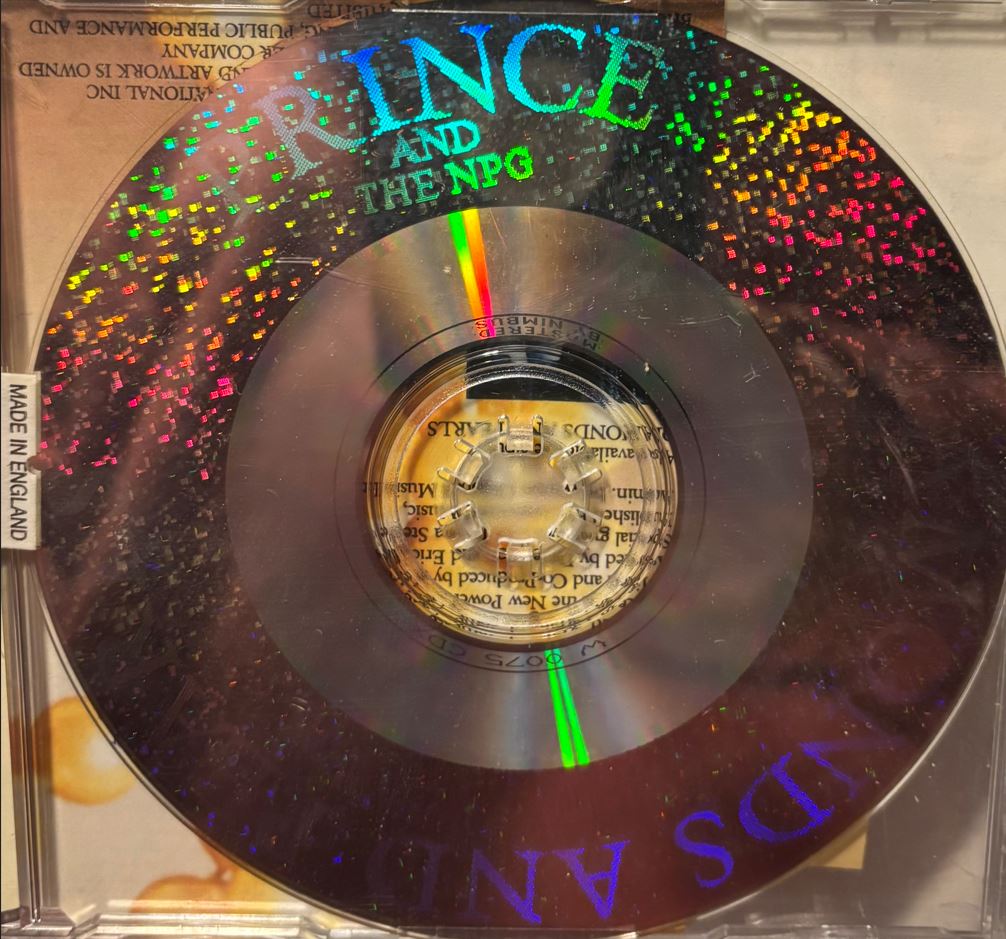
CD singles allowed fans to get copies of their favorite songs in multiple edits. But sometimes the CDs were sold with an element of collectability, for example with designs etched into the surface. Or as "limited editions".
Some CDs were issued to help support albums. For example, concurrently with the Beatles' Anthology and Live at the BBC releases, CD maxi singles were released containing new songs from the album as well as non album tracks.
Another source of demand is collectors aiming to be completists for a particular artist.
Alternate tracks
Mixes could be made by the label with little or no original artist input. The label has access to the master recordings and can contract out development of a techno mix or a dance mix. So while the song itself is from the artist, the specific feel of one or more of the other mixes are not necessarily the artist's vision. It can be nearly impossible to determine the degree of artist involvement for any given track.
Most CD singles, especially in the United States are on standard 5 inch CD discs therefore the cost to manufacture the disc is about the same as that for a standard album. However there may be higher production costs that need to be amortized for the full album including studio time, etc. The full albums also usually have more expensive packaging. For some people, a CD single with something like 20 minutes of material, may appear to be wasteful when the same size CD could contain up to 75 minutes of material. And although the price point of a CD single was perhaps a half to 1/3 of that for the full album, it may seem to be a better deal to get the album.
Current used market
Though available in smaller numbers, the CD single is more of a specialty item compared to the studio album. Thus there is lower demand, and usually lower market prices.
The role of CD singles in a collection
So how do CD singles fit in collections today? A specific CD single may be the only way to get a particular mix, or non album track, and that could be reason enough to seek it out. CD singles can have unique art, or other features that makes them desirable. In any case collectors do not always need a rational reason.